A Week of Art & Adventure: Eagle Plein Air Festival
Experience Eagle Through the Eyes of Artists
Every fall, Eagle transforms into an outdoor gallery where the landscape becomes the inspiration and the community becomes part of the canvas.
For one week in October, more than 80 artists from across the region gather for the Eagle Plein Air Festival, exploring the beauty of Southwest Idaho through paint, brush, and creativity. But this celebration is about much more than watching artists work — it is an invitation to experience Eagle in a whole new way.
From downtown streets and historic neighborhoods to vineyards, parks, and open spaces, the festival takes participants and visitors on a week-long adventure through some of the area’s most scenic locations. Each day offers a new opportunity to discover a favorite corner of Eagle while watching artwork come to life.
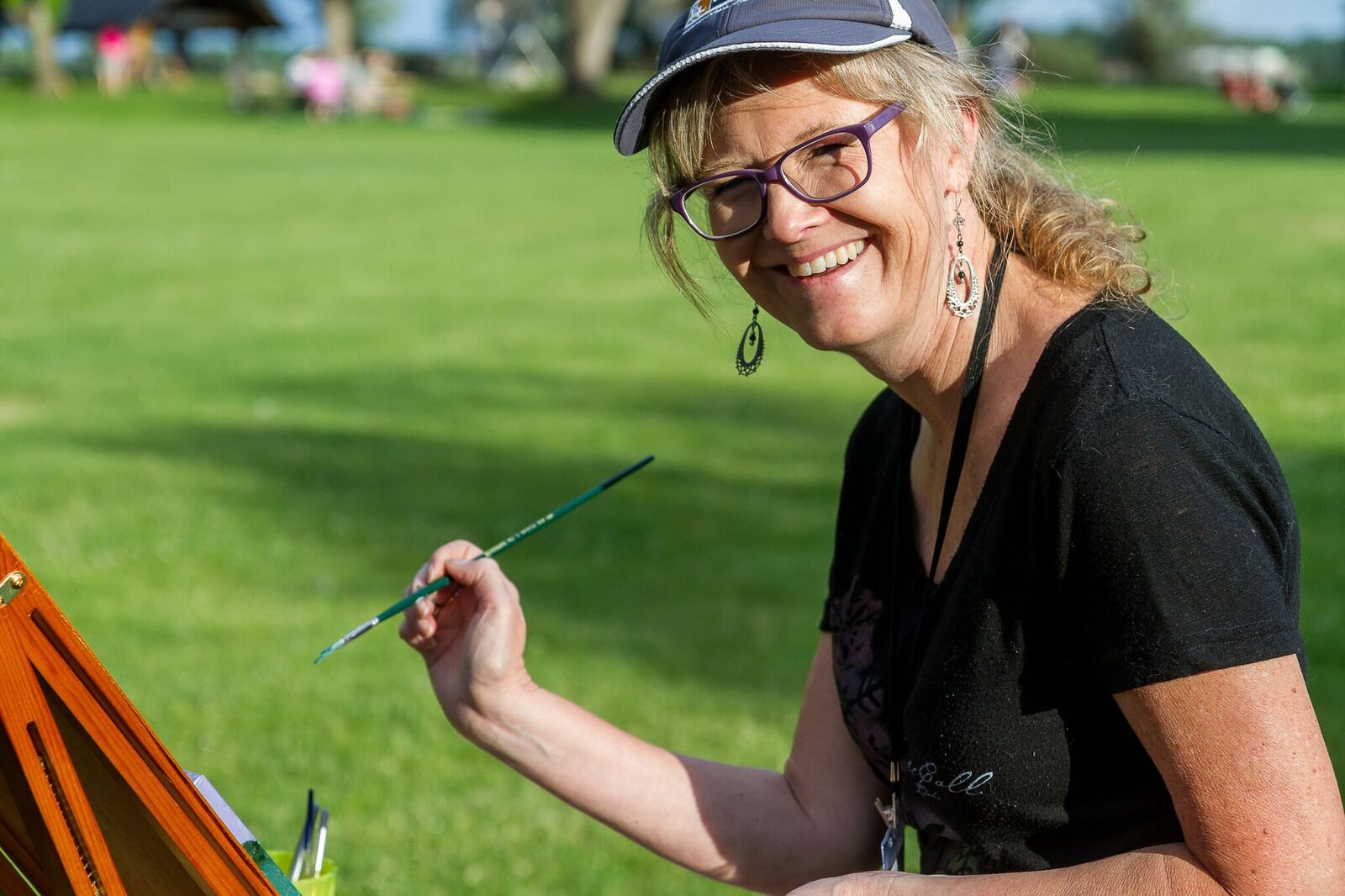
Photo by Mike Olsen
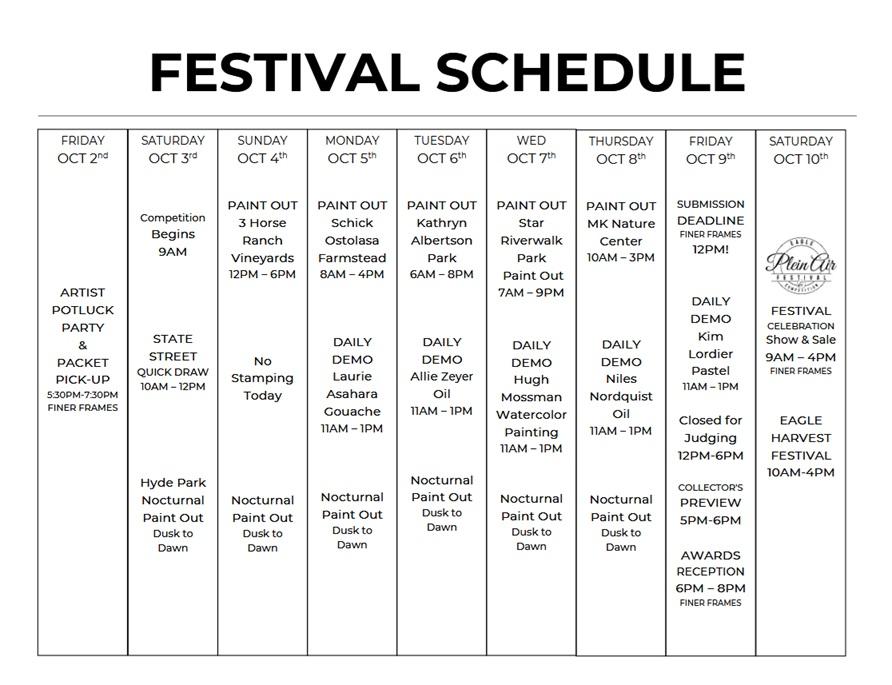
Saturday Morning: The Excitement of the Quick Draw
The festival begins with one of the most exciting spectator events of the week — the State Street Quick Draw Challenge.
On Saturday morning, downtown Eagle becomes a hive of creative energy as artists set up their easels, select their views, and prepare to capture the character of downtown in just two hours. With brushes moving quickly and the clock ticking, artists transform blank canvases into finished works of art before the noon deadline.
For visitors, it is a rare chance to witness the creative process from beginning to end. You can watch artists make decisions in real time — choosing a composition, mixing colors, capturing changing light, and turning an ordinary street scene into a one-of-a-kind painting.
Once the final brushstroke is complete, the finished pieces are displayed for the public, and ribbons are awarded. The excitement of the competition, combined with the charm of downtown Eagle, makes this a favorite festival tradition for artists and spectators alike.
Exploring Eagle Through an Artist’s Eyes
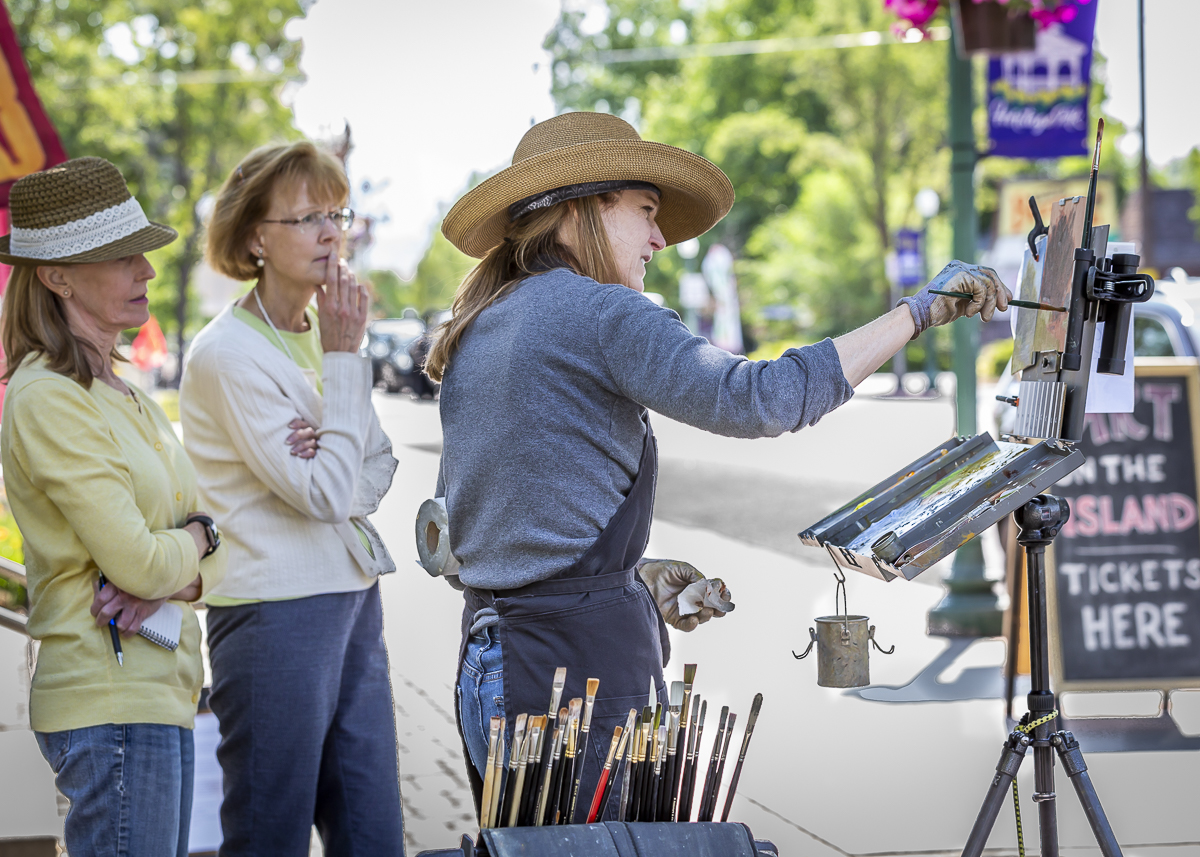
Throughout the week, artists fan out across the region to paint Idaho’s landscapes. Visitors can follow along, discovering places they may have passed many times but never truly noticed.
A vineyard becomes a study in color and texture. A historic farmstead tells a story through weathered barns and old trees. A quiet trail reveals the changing beauty of the season.
The festival encourages everyone to slow down and appreciate the details that make Eagle special — the golden autumn light, the foothills rising in the distance, the river corridors, and the welcoming character of the community.
A Celebration of Art, Community & Connection
The week builds toward the festival’s closing celebration, where the community gathers to celebrate the artists and the incredible work created throughout the event.
Friday evening’s Awards Reception brings together artists, collectors, and art lovers for an evening of conversation, celebration, and discovery. Guests can meet the artists, view fresh works created during the festival, and enjoy an evening celebrating creativity and community. The awards ceremony recognizes outstanding achievements, including major festival honors.
The celebration continues Saturday with the Festival Show & Sale in downtown Eagle, where visitors can view hundreds of paintings created during the week, including award-winning works. It is the perfect opportunity to take home a piece of Eagle’s story — a painting created by an artist who experienced the landscape firsthand.
More Than an Art Festival
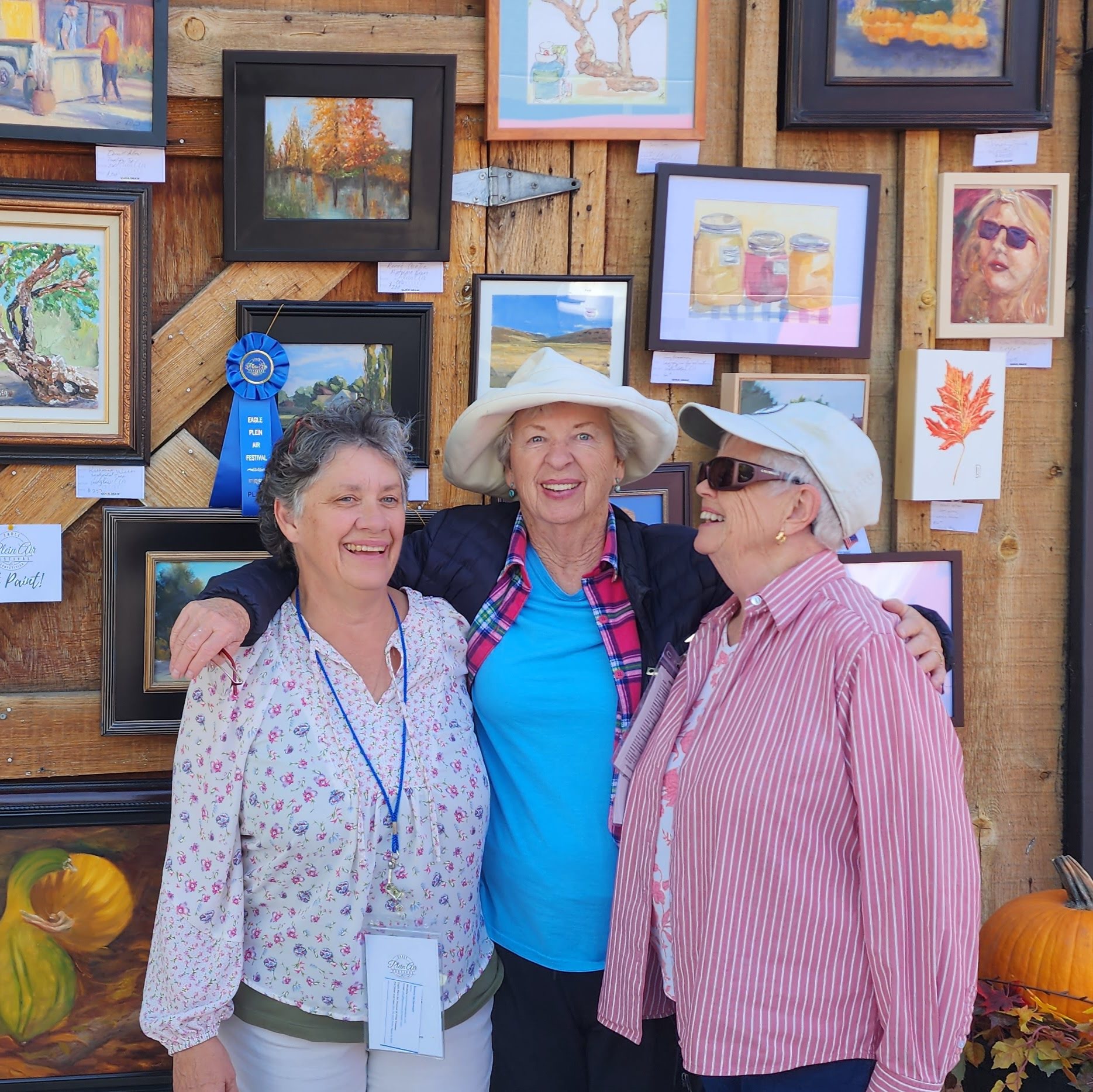
What began as a gathering of artists has grown into a celebration of everything that makes Eagle unique: its natural beauty, vibrant downtown, local businesses, and strong sense of community.
The Eagle Plein Air Festival invites everyone to become part of the experience — whether you are an artist picking up a brush, a collector searching for a special piece, or a visitor simply looking for a memorable fall adventure.
For one week each October, Eagle becomes a place where art and adventure meet.
Come explore. Come create. Come see Eagle through the eyes of an artist.
Now Showing
This Holiday Art Show is more than an exhibition; it’s a testament to the rich artistic talent thriving in Idaho. Immerse yourself in the creativity of the local art scene, and perhaps find the perfect piece to bring the spirit of Idaho into your own holiday celebrations. Join us in celebrating the season through the eyes and imaginations of Idaho’s most gifted artists.
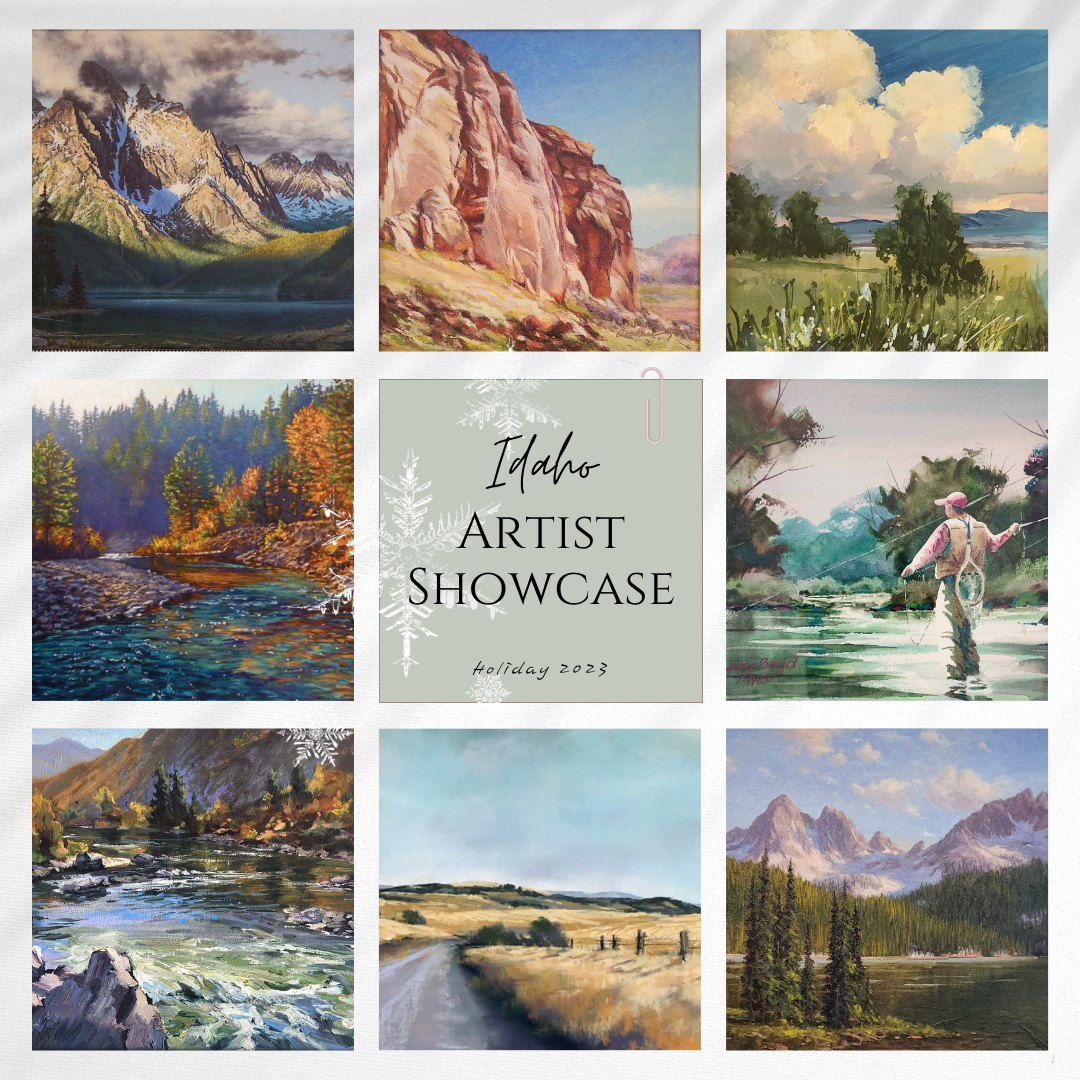
Featured artists include:
- Laurie Asahara
- Larry Boyd
- Fred Choate
- Dave English
- Mark Davis
- Patricia Gibbons
- Bonnie Zahn Griffith
- William Houston
- Mary Maxam
- Niles Nordquist
- Rena Vandewater
- Thomas Van Stein
- Chisheman Westin
Our Largest Frame Ever: A 6’ x 10’ Masterpiece Built One Challenge at a Time
Every once in a while, a project comes along that stretches our skills, our creativity, and our sense of what’s possible in custom framing. This was one of those projects—and, to date, the largest frame we’ve ever built.
The artwork itself is an impressive original painting measuring 6 feet by 10 feet, purchased by our client overseas and shipped to us here in Eagle, Idaho for framing. From the start, we knew this would be anything but ordinary.
The frame is truly something special. It was handmade in Peru by Andrés and his team at the House of Mercier, crafted exclusively for this project. The design is a custom leather-wrapped frame, finished in distressed black with contrasting leather stitching—rich in texture, bold in scale, and perfectly suited to the power of the artwork. Because of its size, the frame was built in six separate pieces and carefully shipped from Peru to our shop.
Then came the next challenge: transportation. Simply put, the finished frame would never make it through the client’s hallway. The solution? Build it inside the room where it would live.
On site, we constructed custom wood strainer bars and stretched the canvas using a pneumatic staple gun, ensuring even tension and long-term stability. Next came the frame itself. The long sides—each ultimately measuring 10 feet—were assembled from three separate sections using biscuit joints, allowing us to create strong, seamless extensions right in the room. To finish it beautifully, we added red leather stitching strips to cover the joints, turning a structural necessity into a striking design detail.
Every step required planning, precision, and problem-solving—and we loved every minute of it.
The result is an extraordinary framed original that now hangs in the client’s home gym, serving as daily motivation and a powerful visual statement. We’re incredibly proud of how our team met every challenge head-on and delivered a solution that honored both the artwork and the craftsmanship behind it.
Projects like this remind us why we do what we do—and why no frame is ever “too big” when design, craftsmanship, and creativity come together.
-
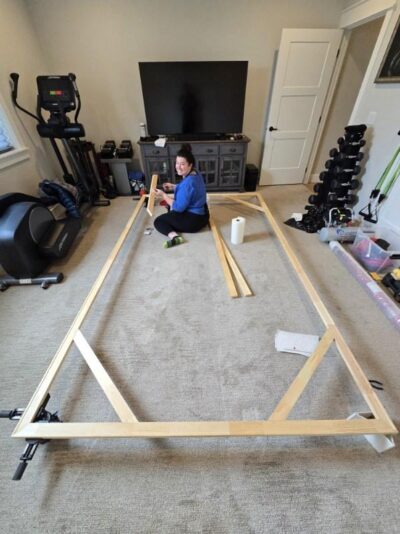
- Building the Strainer Bars
-
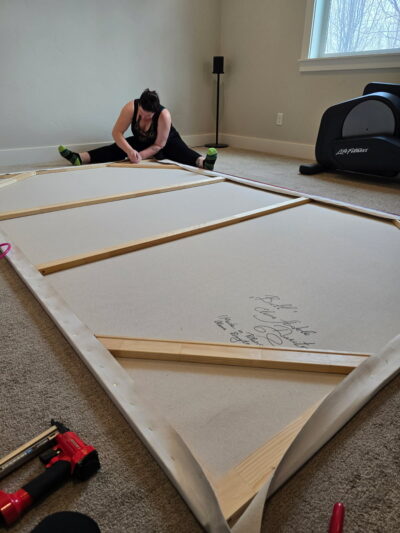
- Stretching the Canvas
-
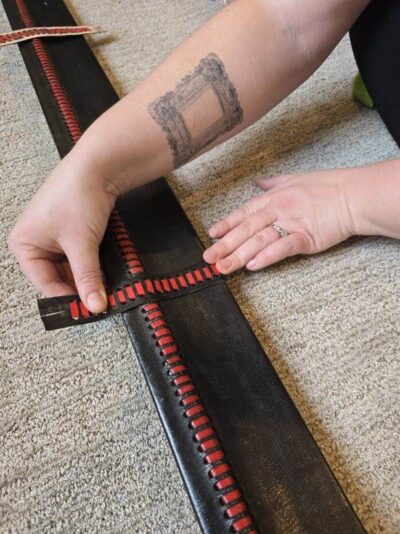
- Applying the Leather Stitches
-
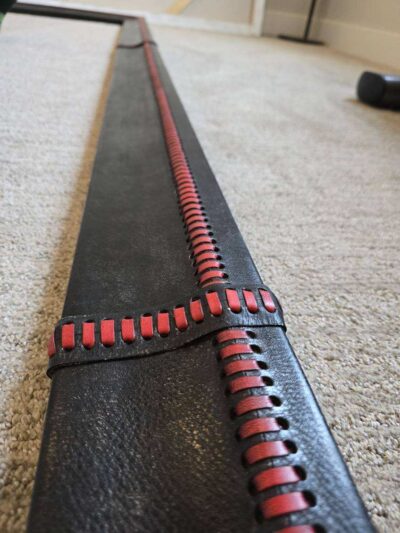
- Detail of Leather Finish
-
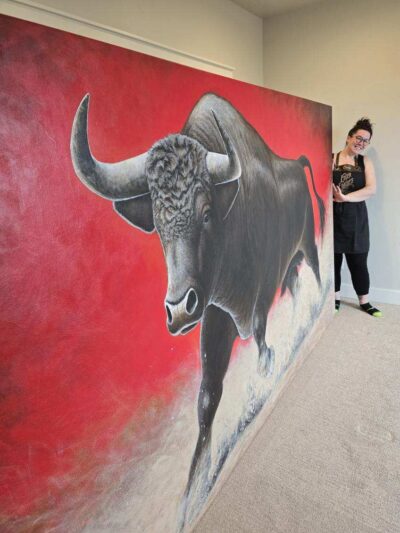
- 6′ x 10′ Canvas Stretch
-
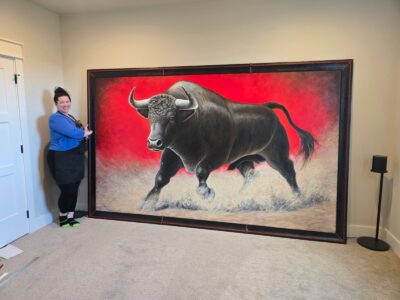
- The Finished Project
EXTREME PLEIN AIR RETURNS!
Kick Off the New Year With Idaho’s Hardiest Outdoor Painting Event
January 1–25, 2026 • Reception January 29, 5–7pm at Finer Frames
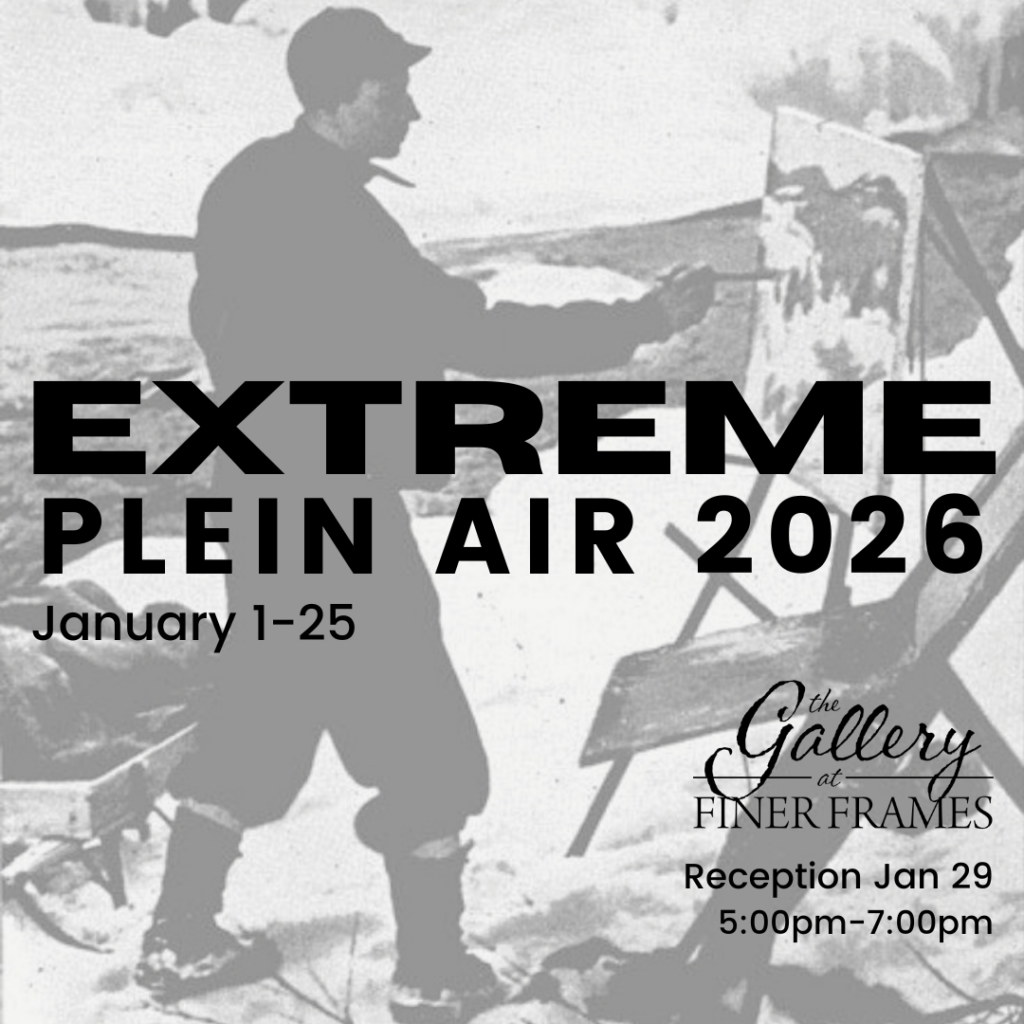
If there’s one thing we know about Idaho artists, it’s that you’re a tough, creative, nature-loving bunch. While most people ring in the New Year by staying warm indoors, the Plein Air Painters of Idaho bundle up, grab their pochade boxes, and head outside to chase winter light and snowy landscapes.
And that’s exactly why Extreme Plein Air has become one of our favorite annual traditions here at Finer Frames. It’s fun. It’s friendly. And yes—it’s a little wild.
Because let’s be honest…
Painting outside in January?
In Idaho?
That’s not just plein air.
That’s EXTREME plein air.
And we absolutely love you for it.
❄️ What Is Extreme Plein Air?
Extreme Plein Air is our annual month-long celebration of outdoor painting during the most dramatic, chilly, beautiful time of year.
From January 1 through January 25, artists of all levels are invited to brave the elements and create fresh outdoor paintings—whether you’re capturing snowy fields, morning fog, frosted barns, sunlit mountains, or whatever winter gives you.
Then, submit your finished piece to be entered into our artist raffle, where you can win fun prizes, art goodies, and Finer Frames surprises.
Finally, join us at our warm (and heated!) gallery for a reception on Thursday, January 29 from 5–7pm to celebrate the artwork, share winter-painting stories, and draw the raffle winners.
🎨 How to Participate
1. Paint Outdoors Between January 1–25
Anywhere in Idaho—or wherever you’re celebrating winter. Snowy mountains, neighborhood trees, frozen rivers…if you’re outside, it counts!
2. Submit Your Painting
Bring your finished piece to Finer Frames or email a photo of your artwork to us before the reception.
Each painting = one raffle entry.
Submit more than one painting if you’d like—every piece counts!
3. Join Us for the Celebration
Reception: January 29, 5–7pm
Finer Frames, Downtown Eagle
Meet fellow artists, see all the submissions, enjoy refreshments, and cheer as we draw the raffle winners.
🏆 Prizes!
Participating artists will be entered to win one of several fun prizes, including:
- Gift certificates
- Art supplies
- Framing discounts
- Finer Frames surprises
- And of course—bragging rights for surviving an Idaho plein-air January
(Prizes will be announced at 6pm during the reception.)
❄️ Why We Call It “Extreme”
This event started as a playful challenge among members of the Plein Air Painters of Idaho—part tradition, part dare, and part “let’s see who’s tough enough to paint with frozen fingers.”
Over the years, it has become a cherished celebration of:
- The hardy spirit of Idaho’s artists
- The camaraderie of painting outdoors together
- The beauty of winter landscapes
- The joy of starting the year with creativity and community
Think of it as artistic polar-plunging—only with easels.
Some years it’s freezing.
Some years it’s muddy.
Some years it’s surprisingly warm.
But it’s always fun.
And every winter we’re reminded that plein air painters are a special kind of brave.
🖼️ Spread the Word & Share Your Painting Adventures
We encourage artists to share their Extreme Plein Air outings on social media using our event hashtag:
#ExtremePleinAir2026
Tag @finerframes so we can share your posts!
We love seeing snowy painting setups, frosty brushes, and the magic you create outdoors.
❤️ A Thank-You to the Artists
Extreme Plein Air only works because of the incredible artists who step outside—even when the wind bites—and make something beautiful from the cold.
Your passion, your ruggedness, and your devotion to plein air painting inspire our whole community. This event is our way of cheering you on, celebrating your creativity, and giving you a warm place to gather when the painting’s done.
🎉 See You January 29!
Grab your gear, zip up your coat, slip hand warmers into your gloves, and join us for a month of creativity and adventure.
Happy New Year, and happy painting!
We can’t wait to see what you create for Extreme Plein Air 2026.
A Wedding Gown Worth Waiting For
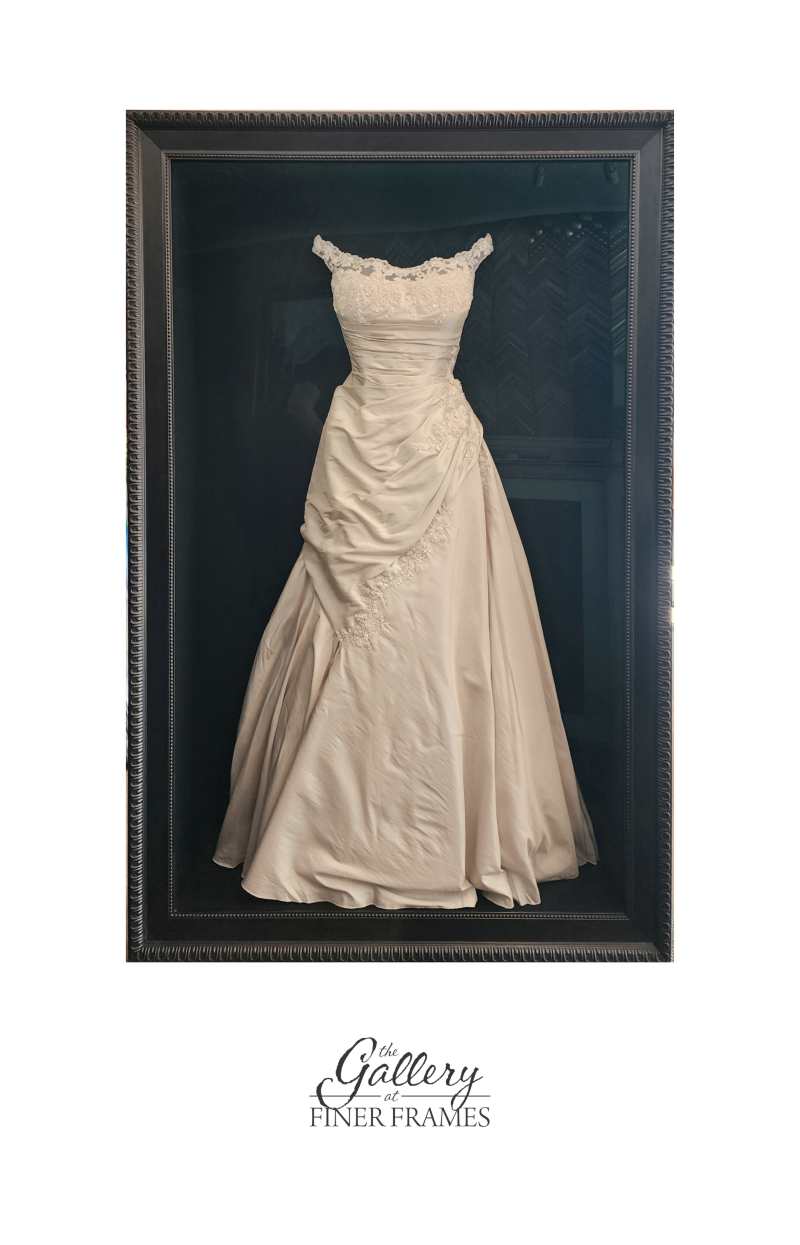
We created this shadowbox cabinet for a gorgeous wedding gown as a 20th-anniversary gift from a husband to his wife. I think it may be my favorite project of all time—but it didn’t start out that way.
When he first walked in and asked if I could frame his wife’s gown as a surprise, my stomach tightened a bit. A full wedding dress is a project you don’t take lightly. The sheer size, weight, and depth requirements alone made this a puzzle. Taffeta can be heavy, lace can be fragile, and mounting a dress so it looks graceful—not stiff or collapsed—requires planning and a lot of trial and error.
Customers often assume I know immediately how an item should be framed. But in this case, I needed days just to think through the structure, materials, and design. And the emotional stakes were high. His wife had planned to frame her gown for 20 years. Twenty years is a long time to anticipate something—and a lot of pressure to get it right. I knew my goal wasn’t simply to build a shadowbox. It was to exceed her expectations and give her a piece that would move her to tears in the best way.
At our first consultation, the husband wanted guidance on how to choose the frame style and colors without his wife’s input. It was a lovely idea for a surprise, but I couldn’t stop thinking about all the ways a design like this could miss the target if the bride wasn’t part of the conversation. Framing, especially something sentimental, has to reflect the owner’s style and the environment where it will ultimately live. There is no single “correct” way to frame anything—taste is subjective, and the best results come from collaboration.
Thankfully, the husband agreed, and we invited the bride in.
The gown was breathtaking: a champagne Pronovias Barcelona dress with soft taffeta and delicate ivory lace. It deserved a dramatic, clean presentation, and a dark background made the details stand out beautifully. The client chose Crescent’s Nightshade linen mat for the background and the side walls—classic, simple, and rich.
The frame was chosen from a new Larson-Juhl sample box that had just arrived. They were thrilled to be the first clients to use a moulding from the Museo collection. The largest profile, finished in a soft black with fine detailing, paired perfectly with the lace—subtle but elegant.
Design sorted… now came the engineering.
To support the dress, I needed a mannequin. A friend who owns a dress shop loaned me a form made from dense plastic. It provided excellent support, but the neckline was high and unattractive. If left as-is, it would distract from the gown. I needed the structure without the visual bulk.
Nothing in the shop could cut through the thick plastic cleanly, so another friend stepped in and trimmed and smoothed the neckline. Once altered, I drilled small holes around the edges so I could sew the gown directly to the form. This step was tedious but essential—the dress needed to be shaped and lifted naturally, not simply pinned.
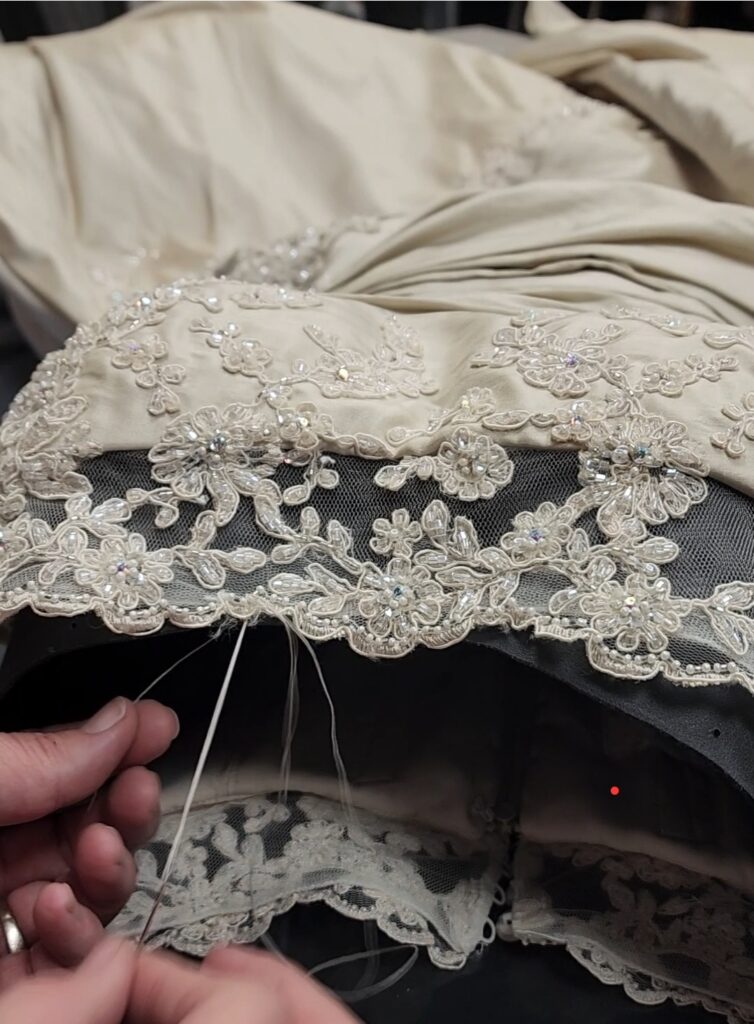
The mannequin, however, created a new challenge: its depth added a full seven inches, which meant a standard shadowbox frame wouldn’t work. I now needed to build something closer to a cabinet.
Using lumber would have left me with finishing problems—matching stain colors, dealing with exposed edges—so I chose black wood shelving boards instead. They were already finished, perfectly sized at 8 inches wide, and could be delivered straight to the shop along with a 48″ x 72″ hardboard sheet for the backing.
For the internal structure, strainer bars became the backbone. I attached a large strainer directly to the back of the frame, creating a solid interior framework to support the long sidewalls. I cut additional strainer pieces as cross-supports, ensuring the cabinet stayed square and strong. Using a nail gun, I secured twenty vertical pieces to connect the sidewalls to the inner strainer frame. Once assembled, it was clear: this wasn’t a shadowbox—it was a furniture-grade cabinet.
The final exterior size measured 55″ wide × 67″ tall × 9″ deep.
For glazing, the choice was easy: Tru Vue Optium Museum Acrylic. With something this large, you want clarity, light weight, and safety. OMA checks every box.
Throughout the mounting process, I kept the clients updated with progress photos. Showing them the steps—how the dress was sewn to the form, how the skirt was arranged against the glazing—helped them feel included and reassured. For a project with this much emotional weight, transparency was far better than a big reveal. Surprises are fun, but not when expectations are decades in the making.
The first time the bride saw the finished piece in person was the day we delivered and installed it in her home. I hired a professional installer to help hang the cabinet safely in her closet, where it would live as both art and memory.
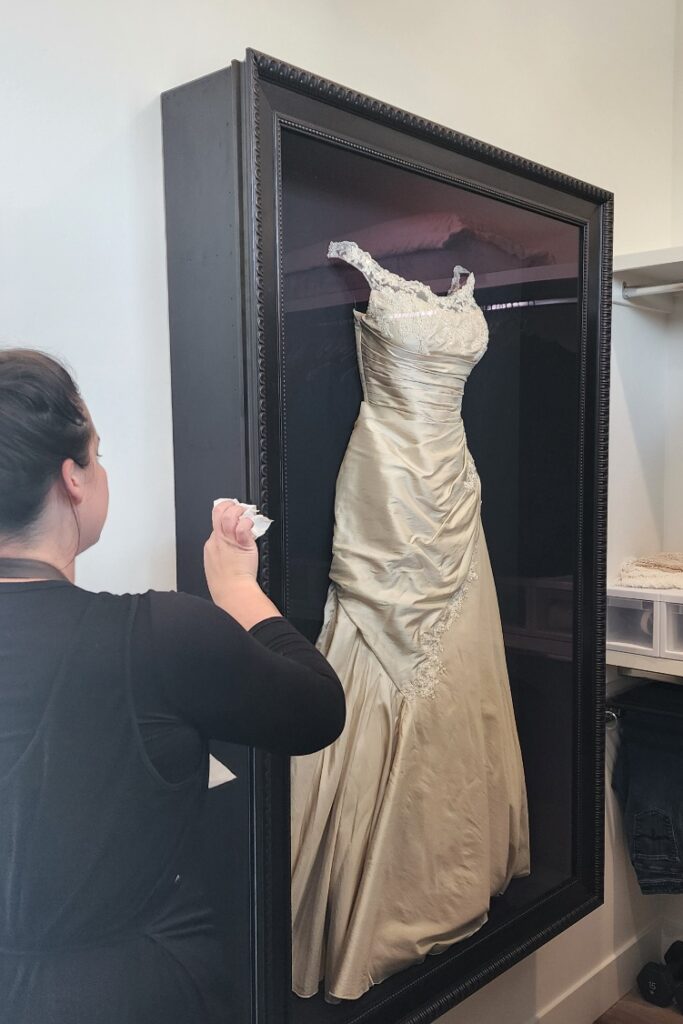
When we lifted the cover and she saw it fully assembled—mounted, lit by natural light, framed in black linen and Museo moulding—her reaction made every challenge worthwhile. She absolutely loved it.
Creating this piece reminded me how meaningful our work can be. Yes, framing is technical. It involves math, engineering, materials knowledge, and problem-solving. But at its core, it’s about honoring moments that matter.
This gown wasn’t just a dress. It was a story—20 years of marriage, memories, and milestones wrapped into a single garment. Being trusted to preserve something so important is a privilege I never take lightly.
Seeing the finished shadowbox installed, knowing I had exceeded their expectations, and witnessing the bride’s reaction… that’s why I do what I do.
And honestly? I still think it may be my favorite frame of all time.